




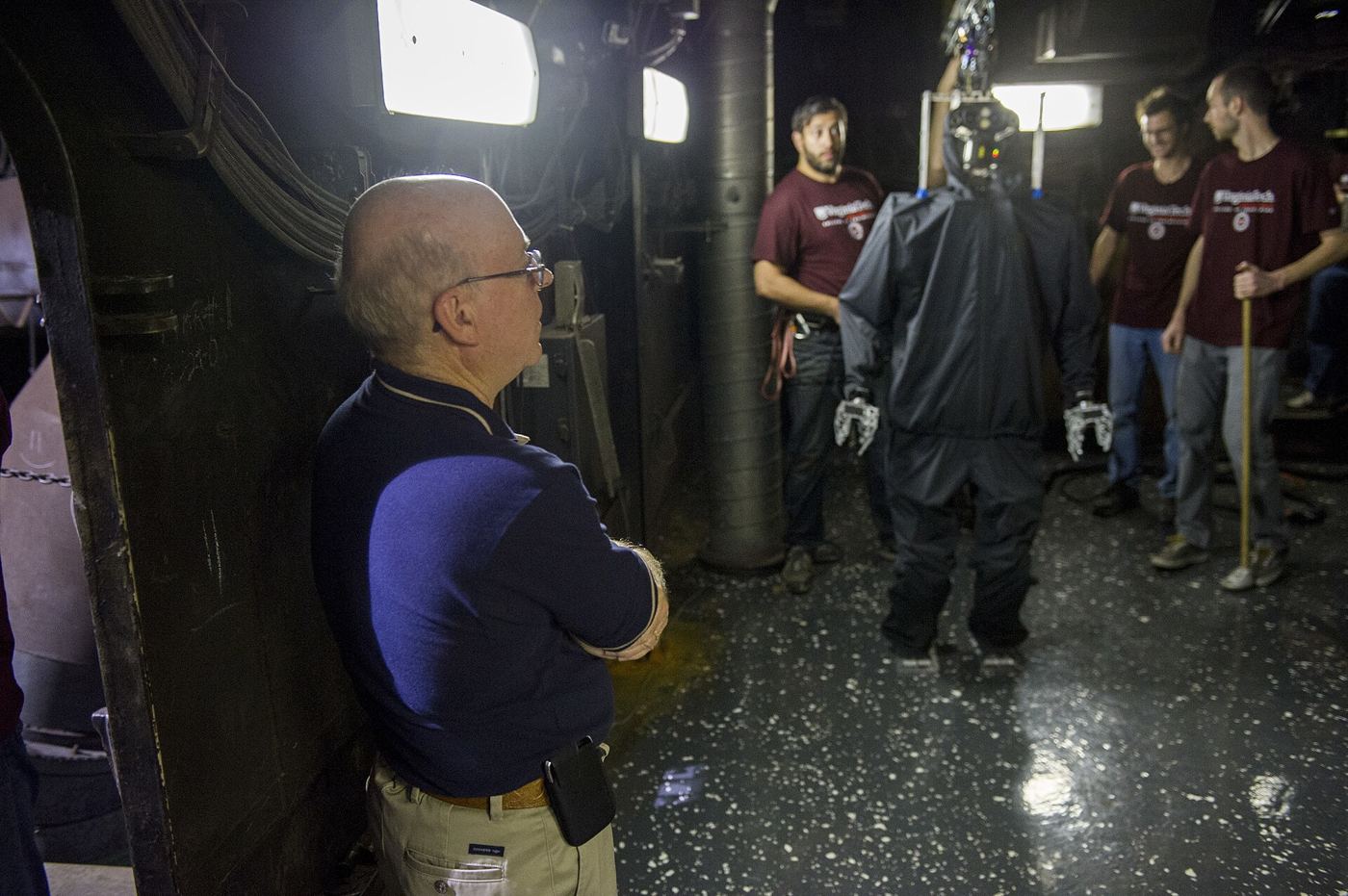
Engineers have begun a new round of safety trials for humanoid robots designed to work alongside people in factories, hospitals and warehouses. The latest machines can walk across uneven floors, lift moderate loads and stop immediately when a person steps into their path. Researchers say the focus has shifted from impressive demonstrations to reliable everyday performance over long shifts. During testing, robots repeat the same tasks hundreds of times while sensors record balance, grip strength and reaction times. Any fault is logged and reviewed before the next run begins. Specialists following humanoid robot safety trials say consistent behaviour matters more than speed at this stage. Factories want machines that can handle routine jobs without creating new risks for staff nearby. The trials also examine how workers react to robots sharing the same space. Early feedback suggests clear signals, predictable movements and simple controls help people feel comfortable. If the results hold, pilot deployments in real workplaces could expand next year, starting with night shifts and repetitive handling tasks where staff shortages are most acute.
What the Evidence Shows
The testing programme includes emergency stops, power failures and blocked pathways to see how the robots respond under pressure. Engineers deliberately create difficult conditions, such as low light, wet floors and unexpected obstacles, to uncover weaknesses before commercial use. Software updates are applied between sessions, and each version must pass the full test sequence again. That discipline is slowing release dates, but manufacturers argue it builds trust with regulators and employers. Insurance firms are also watching closely, since clear safety evidence could lower premiums for sites using the machines. Training will be another major factor. Technicians will need skills in maintenance, diagnostics and safe supervision, creating new roles even as some manual tasks change. Unions have asked for consultation before wider rollouts. For now, the laboratory results are promising but cautious. The robots complete most tasks reliably, yet human oversight remains essential for complex decisions and unusual situations. Reporting and analysis from sources such as IEEE Spectrum track the same developments, and specialists following humanoid robot safety trials say the direction is now consistent across independent lines of evidence.
The Wider Context
Adoption of humanoid robot safety trials follows a familiar pattern with an unfamiliar speed. Early users tolerate rough edges in exchange for advantage, mainstream users arrive when the tool disappears into existing workflows, and the market consolidates around whoever made that transition feel effortless. Vendors are racing less on raw performance now than on integration, support and trust.
What Happens Next
The realistic forecast for humanoid robot safety trials is steady integration rather than sudden replacement: embedded in products people already use, improving in increments, and regulated in proportion to its reach. The companies and institutions that plan on that basis, training staff and redesigning processes instead of chasing launches, are the ones the adoption data tends to vindicate. You can follow related developments in our coverage of technology.
It is also worth remembering how quickly the picture in this area has changed before. Positions that looked settled a few years ago have been revised as new data arrived, and the same humility is appropriate now. The strongest coverage of this subject, and the most useful advice, tends to come from sources that update their views openly when the facts move, rather than defending an earlier position long after it has stopped fitting the evidence available.